AI in Interior Design: The Future of Luxury Homes
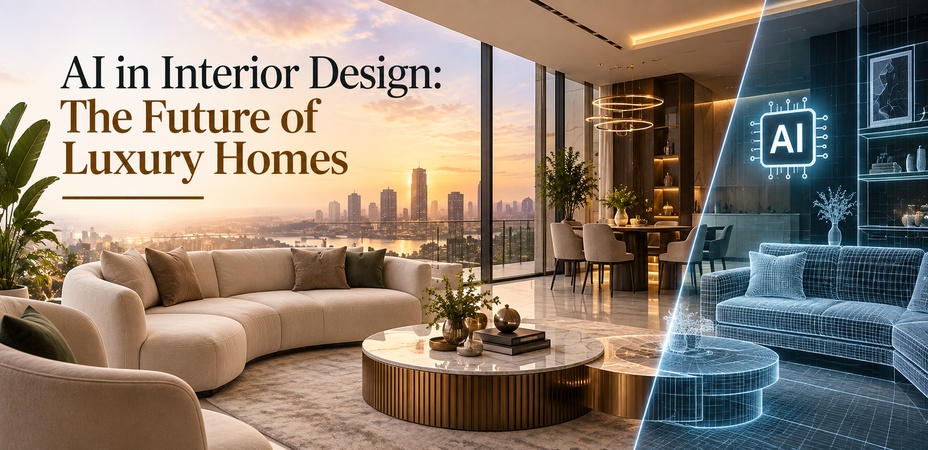
Luxury homes are no longer defined only by expensive materials and statement furniture. Homeowners increasingly want spaces that feel personal, comfortable, intelligent, and effortless. This is where AI in interior design is creating a major shift. From generating layouts to visualising colours, lighting, furniture, and finishes, artificial intelligence helps designers explore ideas faster and communicate concepts clearly.
For luxury homeowners, AI is not about replacing creativity. It gives designers better tools to understand preferences, test possibilities, and create personalised spaces. Current design trends also favour warmer, more authentic, tactile interiors rather than showroom-like rooms.
How AI Is Transforming Interior Design
AI is becoming a powerful design assistant. Modern tools can generate visual concepts from descriptions, explore alternative layouts, and help clients understand an idea before execution. Research on AI-assisted interior architecture highlights applications across design aesthetics, innovative materials, sustainability, and intelligent systems.
AI in Interior Design for Personalised Luxury
Luxury is ultimately about personalisation. A well-designed home should reflect the homeowner’s lifestyle, routines, tastes, and personality.
AI can help explore:
- Preferred colours, textures, materials, and furniture styles
- Lighting requirements and room functions
- Storage and space-utilisation needs
- Existing furniture or artwork
- Desired moods, from calm to dramatic
For example, AI can visualise a living room with natural stone, warm wood, soft lighting, and contemporary furniture, while the designer evaluates proportions, practicality, and materials.
Smarter Visualisation Before Execution
One major advantage of AI is faster visualisation. It makes concepts easier to understand before execution.
It can help compare furniture arrangements, colour palettes, wall treatments, lighting moods, and room styles.
AI visuals remain references, not construction-ready drawings. Dimensions, materials, lighting, structure, and product availability require professional verification. This distinction is important because AI-generated concepts can communicate an aesthetic direction without guaranteeing real-world feasibility.
Luxury Interior Design Becomes More Efficient
AI can also organise information, compare options, identify preference patterns, and assist with repetitive planning tasks. This gives designers more time for creative problem-solving and client interaction.
For luxury projects, this can make the design process more streamlined while allowing greater attention to details that define a truly personalised space.
The Future of Home Interior Design: Human Creativity + AI
The strongest future model will combine human expertise with intelligent technology.
A designer understands how a family lives, whether a layout feels comfortable, how materials behave, and whether an interior feels authentic. AI can generate possibilities, but designers give those possibilities meaning. This is especially important as modern interiors become more personal, tactile, and timeless.
What This Means for Luxury Homeowners
AI can make the early design process more interactive, helping homeowners explore concepts and communicate preferences before execution.
A practical process can include:
- Lifestyle and requirement discussion
- Concept generation and style exploration
- Mood boards and visual references
- Professional design development
- Material selection and technical planning
Why Choose Dzign Tales for Luxury Design?
At Dzign Tales, technology is a tool, not a substitute for thoughtful design. Our approach begins with understanding the client and then using modern design and visualisation methods to create spaces that are refined, functional, and personal.
The aim is to create interiors that look beautiful while supporting the way you live.
Conclusion
AI in interior design is changing how luxury homes are imagined, discussed, and developed. It can accelerate visualisation, support personalisation, reduce repetitive work, and help homeowners participate more confidently in design decisions. Yet true luxury still depends on proportion, craftsmanship, material quality, comfort, and individuality.
The future of interior and design is not human versus machine. It is human creativity supported by intelligent technology. When used thoughtfully, AI can help turn ambitious ideas into highly personalised spaces.
Ready to explore the possibilities? Connect with Dzign Tales to begin your luxury interior design journey.
FAQs
1. Can AI replace an interior designer?
No. AI supports visualisation and idea generation, while designers handle functionality, technical decisions, materials, and execution.
2. How does AI help luxury interior design?
It can generate concepts, compare styles, and visualise layouts, colours, furniture, lighting, and finishes.
3. Are AI interior visuals accurate?
They are useful for concepts but may not reflect exact dimensions, real materials, lighting, or construction requirements.
4. Can AI personalise home interior design?
Yes. It can explore ideas around lifestyle preferences, colours, room functions, aesthetics, and desired moods.
5. What is the future of AI in interior design?
AI will increasingly work alongside designers, handling exploratory tasks while professionals lead creative and practical decisions.
RECENT BLOGS
- Interior Design for Home Offices: Creating a Productive and Comfortable Workspace
- The Benefits of Working with An Architect for Your Construction Project
- Sustainable Interior Design: Suggestions and Best Practises
- Crafting Dreams into Reality: Dzign Tales - Your Leader in Home Interior Design in Faridabad | Dzign Tales
- Transforming Interiors: The Art of Interior Design by Dzign Tales