Bedroom Colour Combination Ideas That Never Go Out of Style
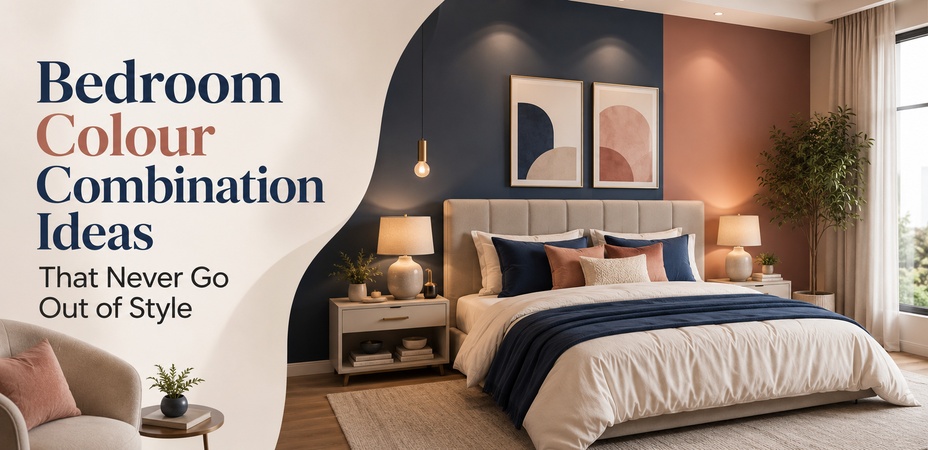
A bedroom should feel comfortable, personal and visually balanced. While furniture, lighting and accessories all contribute to the overall look, colour is often the first element that shapes the mood of the space. The right bedroom colour combination can make a compact room appear more spacious, create a relaxing atmosphere or add a refined sense of luxury. Current interior design trends are moving towards warm neutrals, earthy shades, muted greens and carefully balanced darker tones rather than overly bright or sterile palettes. If you are planning a timeless makeover, choosing colours that can work with changing décor is a smarter approach than following short-lived trends. Here are some elegant combinations that continue to work beautifully in modern bedrooms.
Why Choose Timeless Bedroom Colour Combinations?
A timeless palette gives you greater flexibility. Instead of redesigning the entire room whenever a trend changes, you can refresh the space through cushions, curtains, artwork, rugs and lighting.
For a sophisticated look, designers often recommend working with two or three primary colours and balancing rich shades with softer neutrals. This principle works particularly well for luxury interiors where restraint and coordination matter.
1. Beige and Warm White
Beige and warm white create a soft, welcoming bedroom that never feels outdated. The combination works especially well with wooden furniture, linen bedding and subtle metallic accents.
For modern luxury bedroom interior design, use beige on the main walls and warm white for the ceiling, curtains and bedding. Add walnut or oak finishes to introduce natural warmth.
2. Grey and White
Grey and white remain a dependable choice for contemporary bedrooms. Light grey keeps the room calm, while white adds brightness and visual space.
To avoid a cold appearance, introduce warm lighting, wooden textures and soft fabrics. This combination is particularly suitable for minimalist bedrooms where clean lines and uncluttered surfaces are important.
3. Sage Green and Cream
Sage green brings a natural, calming character to the bedroom, while cream prevents the palette from becoming too dark. This combination suits both traditional and contemporary interiors.
Pair it with cane, wood, rattan or natural fabrics for an organic feel. It is also a good option for homeowners who want colour without making the room look overly dramatic.
4. Navy Blue and Ivory
Navy blue creates depth and sophistication, while ivory softens its intensity. Together, they can produce an elegant bedroom with a boutique-hotel feel.
Use navy selectively on an accent wall, upholstered headboard or curtains rather than covering every surface. Brass or muted gold details can add another layer of refinement without overwhelming the room.
5. Taupe and Chocolate Brown
For a warm and intimate bedroom, taupe and chocolate brown are excellent choices. The earthy combination works beautifully with wooden flooring, upholstered furniture and warm lighting.
This palette is especially effective for bedroom decor luxury, because the richness comes from tonal layering rather than excessive decoration.
6. Blush Pink and Beige
Blush pink does not have to look overly feminine. When combined with beige, cream, natural wood or muted gold, it creates a sophisticated and contemporary atmosphere.
Keep the pink muted rather than highly saturated. This allows the colour to remain versatile as furniture and décor change over the years.
How to Make a Bedroom Colour Combination Look Luxurious
Colour alone does not create a luxury bedroom. The way colours are repeated across different materials is equally important.
Consider these practical tips:
- Follow a two- or three-colour palette for a coordinated appearance.
- Match wall colours with curtains, upholstery and bedding rather than using unrelated shades.
- Add wood, stone, velvet, linen or textured fabrics for depth.
- Use warm layered lighting to make neutral colours feel inviting.
- Keep metallic accents subtle through handles, lamps or décor.
- Test paint samples in both natural and artificial light before finalising the colour.
These principles are consistent with current approaches to luxury bedroom interior design, where soft neutrals, deeper accent colours, natural materials and controlled finishes create an elegant but comfortable atmosphere.
Choosing Colours According to Room Size
Small bedrooms generally benefit from lighter combinations such as warm white and beige, cream and sage, or ivory and light grey. These shades reflect more light and can make the room feel open.
Larger bedrooms provide more freedom to experiment with navy, chocolate brown, charcoal or deeper green. However, balance is still essential. A dark accent wall can create depth without making the entire room feel heavy.
Create a Timeless Bedroom with Dzign Tales
The best home interior design is not simply about selecting fashionable colours. It is about creating a space that reflects your personality while remaining functional and visually balanced. Whether you prefer warm neutrals, earthy greens, elegant blues or soft blush tones, the right combination can transform your bedroom into a comfortable retreat.
At Dzign Tales, thoughtful colour planning can become part of a complete luxury interior decor approach, where furniture, materials, lighting and accessories work together instead of competing for attention. Choose a palette that feels right today and will continue to feel beautiful years from now.
FAQs
1. Which bedroom colour combination is the most timeless?
Beige and warm white are among the safest timeless choices. They create a calm backdrop and work easily with wood, metallic accents and changing décor styles.
2. Which colours make a bedroom look luxurious?
Warm beige, taupe, ivory, navy, sage green and chocolate brown can all create a luxurious appearance when paired with suitable textures and lighting.
3. Is grey still suitable for bedroom interiors?
Yes. Light and warm greys remain versatile choices. Pair them with wood, cream or warm lighting to prevent the bedroom from feeling too cold.
4. What colours work best in a small bedroom?
Light shades such as warm white, cream, beige and pale grey can make a small bedroom appear brighter and more spacious.
5. How many colours should a bedroom have?
A two- or three-colour palette is usually enough to create a cohesive bedroom. Additional shades can be introduced through small décor elements.
6. How can I make neutral colours more interesting?
Use different textures, such as wood, linen, velvet, rugs and upholstered furniture. Layering materials adds depth without requiring bright colours.
7. Can dark colours work in a bedroom?
Yes. Navy, charcoal and chocolate brown can make larger bedrooms feel sophisticated and cosy when balanced with lighter colours and adequate lighting.
8. How can Dzign Tales help with bedroom design?
Dzign Tales can help bring together colour, furniture, lighting, materials and décor to create a bedroom that feels cohesive, functional and refined.
RECENT BLOGS
- Interior Design for Home Offices: Creating a Productive and Comfortable Workspace
- The Benefits of Working with An Architect for Your Construction Project
- Sustainable Interior Design: Suggestions and Best Practises
- Crafting Dreams into Reality: Dzign Tales - Your Leader in Home Interior Design in Faridabad | Dzign Tales
- Transforming Interiors: The Art of Interior Design by Dzign Tales