Top Luxury Interior Design Trends Every Homeowner Should Know
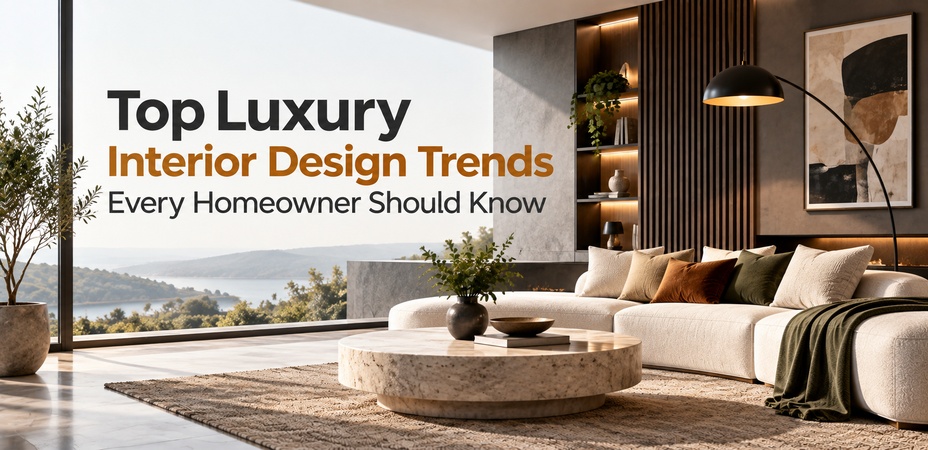
Luxury interior design is no longer limited to oversized chandeliers, glossy surfaces, or expensive furniture. In 2026, homeowners are moving towards spaces that feel warm, personal, comfortable, and thoughtfully designed. Current interior trends in India and globally show a clear preference for natural materials, warmer colours, bespoke details, layered lighting, smart technology, and designs that can remain relevant for years.
For homeowners planning a new house or renovation, understanding these trends can help create a home that looks sophisticated without feeling artificial. Dzign Tales brings together aesthetics and functionality to create luxury interiors that reflect the personality and lifestyle of the people living in them.
1. Warm and Earthy Colour Palettes
The era of cold whites and overly grey interiors is gradually giving way to warmer shades. Beige, taupe, terracotta, muted greens, warm browns, and creamy neutrals are becoming popular choices for sophisticated homes.
These colours create a welcoming atmosphere while providing a timeless backdrop for furniture, artwork, and decorative elements. Homeowners can introduce deeper shades through accent walls, upholstery, cushions, or statement furniture.
2. Bespoke Furniture and Personalised Spaces
One of the strongest directions in luxury home interior design is personalisation. Instead of choosing identical furniture sets, homeowners are investing in customised pieces designed around their space and lifestyle.
Built-in storage, customised wardrobes, handcrafted furniture, and unique display units can make a home feel exclusive. The goal is not simply to make a room expensive but to make it feel as though every element belongs there.
3. Natural Materials Take Centre Stage
Wood, stone, marble, linen, rattan, and other natural textures are becoming important features of luxury interior decor. These materials add depth and character while helping interiors feel warmer and more connected to nature.
A marble coffee table, wooden wall panel, stone accent, or textured fabric can create visual richness without overcrowding the room. Choosing materials that age gracefully also supports the growing preference for long-lasting luxury.
4. Layered and Sculptural Lighting
Lighting is no longer treated as a purely functional requirement. In contemporary luxury interiors, it becomes part of the overall design language.
Homeowners are combining ambient, task, and accent lighting with decorative pendants, wall lights, concealed LEDs, and sculptural fixtures. This approach allows the same room to feel bright during the day and intimate in the evening.
5. Curved Forms and Soft Architecture
Straight lines are making room for softer shapes. Curved sofas, rounded coffee tables, arched niches, circular mirrors, and gently curved partitions can make spaces feel more relaxed and visually interesting.
The trend works particularly well when used selectively. A single curved sofa or architectural feature can become a focal point without making the entire room feel themed.
6. Smart Technology with a Seamless Look
Technology is becoming an integrated part of luxury homes. Automated lighting, smart curtains, climate controls, entertainment systems, and intelligent security can improve convenience without dominating the visual appearance.
The latest approach is to keep technology discreet. Controls, wiring, speakers, and devices can be incorporated into the design so that functionality does not compromise the clean appearance of the space.
7. Quiet Luxury Over Excessive Decoration
Modern luxury is increasingly about restraint. Instead of filling every surface with decorative objects, homeowners are choosing fewer, better-quality pieces.
A carefully selected artwork, handcrafted accessory, premium fabric, or distinctive furniture piece can have more impact than a room filled with ornaments. This reflects the wider movement towards personalised, timeless, and experience-led luxury.
8. Biophilic and Wellness-Focused Interiors
Bringing nature indoors is another important direction. Indoor plants, natural textures, daylight, earthy colours, and views towards outdoor spaces can make homes feel calmer and more comfortable.
Wellness-focused spaces such as reading corners, meditation areas, home gyms, spa-inspired bathrooms, and peaceful balconies are also becoming more relevant as homeowners consider comfort alongside appearance.
How to Use Luxury Trends Without Making Your Home Look Dated
Following every trend is not the best approach to design interior design. Instead, choose trends that suit your lifestyle and combine them with timeless foundations.
Consider these practical tips:
- Invest in quality materials for high-use areas.
- Use trends through accessories and accents rather than permanent elements.
- Maintain visual balance between decorative and functional features.
- Prioritise storage to keep surfaces uncluttered.
- Choose lighting that can adapt to different activities.
- Add personalised artwork, furniture, or handcrafted details.
The best luxury interiors are not designed to impress visitors alone. They are designed to make everyday life more comfortable, beautiful, and meaningful.
Conclusion
The latest luxury interior design trends are moving towards warmth, individuality, craftsmanship, technology, and lasting functionality. From earthy palettes and natural materials to bespoke furniture, smart features, sculptural lighting, and wellness-focused spaces, luxury is becoming more personal and practical.
If you want a home that combines elegance with functionality, Dzign Tales can help transform your ideas into thoughtfully planned luxury interiors. Get in touch with Dzign Tales to create a luxury home interior design concept that reflects your lifestyle and stands the test of time.
FAQs
1. What is the biggest luxury interior design trend in 2026?
Personalised, warm, functional interiors are among the strongest trends, with natural materials, smart technology, and quiet luxury gaining popularity.
2. Are neutral colours suitable for luxury interiors?
Yes. Warm neutrals such as beige, taupe, cream, and earthy tones create an elegant foundation that can be enhanced with richer accents.
3. How can I make my home look luxurious?
Focus on quality materials, good lighting, customised furniture, thoughtful storage, balanced décor, and details that reflect your personality.
4. Is smart technology suitable for luxury interiors?
Absolutely. Smart lighting, curtains, security, and climate systems can improve comfort while remaining visually discreet.
5. Why are natural materials popular in luxury interior decor?
Natural materials add texture, warmth, character, and a timeless quality that can make interiors feel sophisticated without excessive decoration.
6. Should I follow every interior design trend?
No. Choose trends that complement your lifestyle and combine them with timeless design elements for a home that remains appealing for years.
RECENT BLOGS
- Interior Design for Home Offices: Creating a Productive and Comfortable Workspace
- The Benefits of Working with An Architect for Your Construction Project
- Sustainable Interior Design: Suggestions and Best Practises
- Crafting Dreams into Reality: Dzign Tales - Your Leader in Home Interior Design in Faridabad | Dzign Tales
- Transforming Interiors: The Art of Interior Design by Dzign Tales